

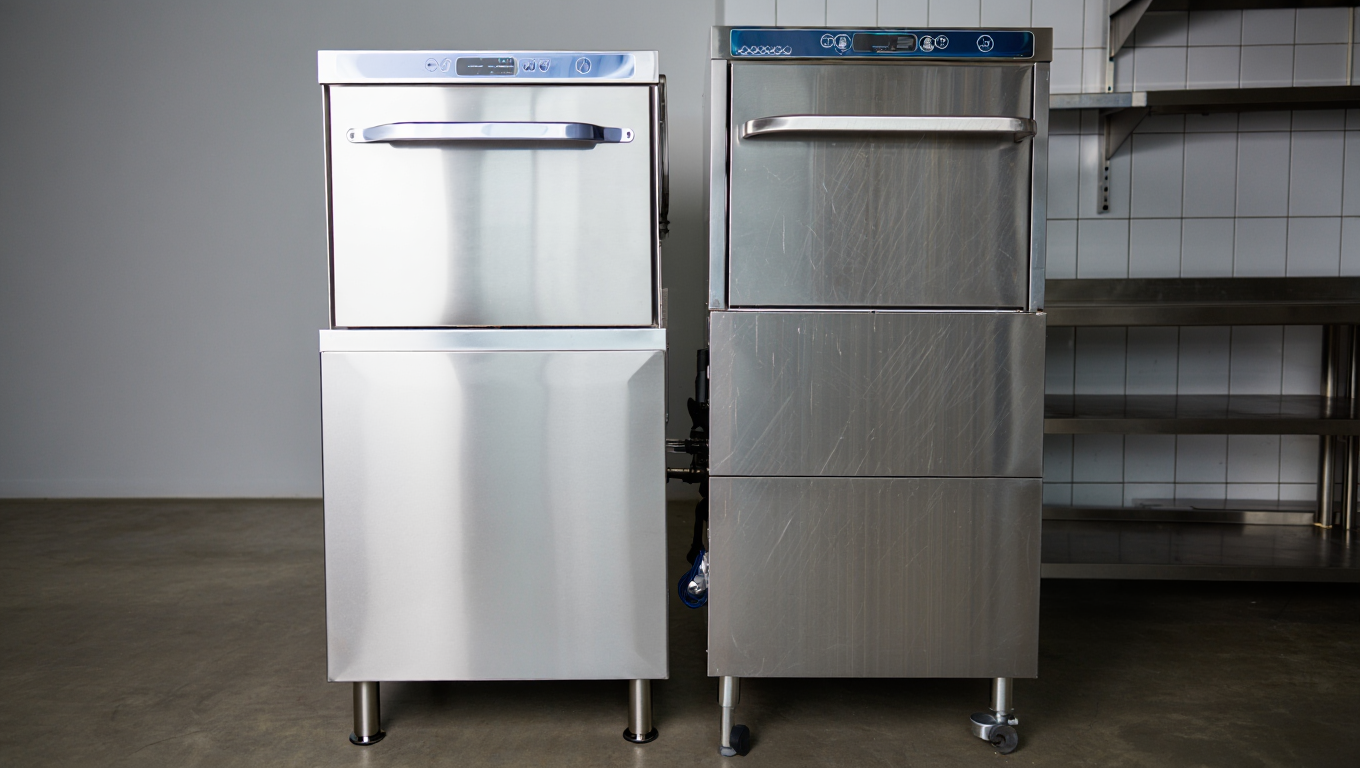
Choosing between new and second-hand restaurant equipment is a key decision for restaurant owners and food entrepreneurs in Thailand. Equipment costs have a direct impact on budgets, cash flow, and long-term profitability—especially in competitive markets like Bangkok.
In a fast-moving food service environment, working with an experienced local partner such as Ax Restaurant Equipment, a Bangkok-based specialist in new and second-hand professional kitchen equipment, helps restaurateurs make smarter, cost-effective choices. This article compares new versus used restaurant equipment in Thailand, focusing on costs, lifespan, ROI, and practical operational considerations to support informed business decisions.
Understanding the Cost Difference Between New and Second-Hand Equipment
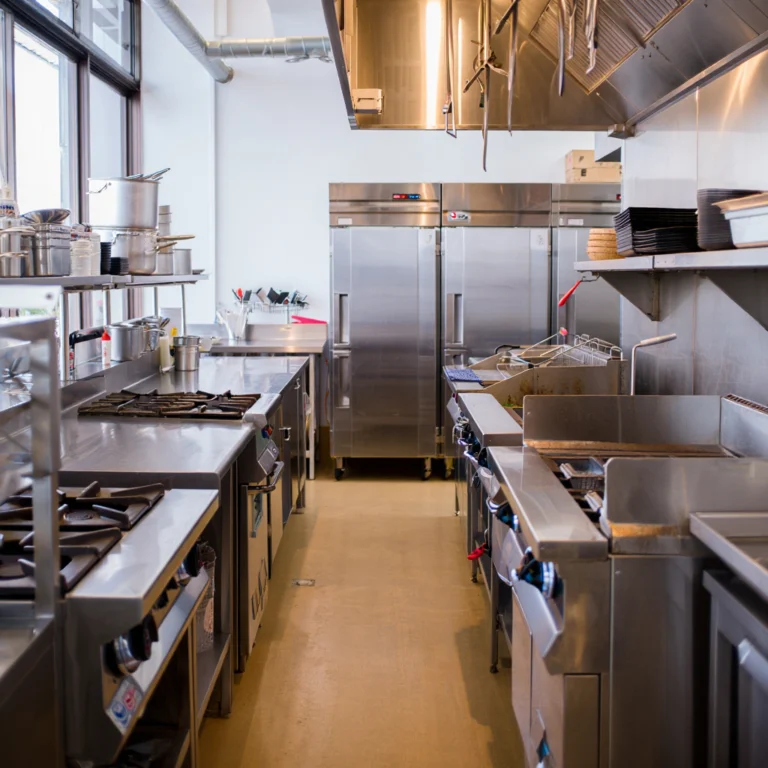
The most obvious distinction between new and used restaurant equipment is the purchase price. In Thailand, importing brand-new professional equipment often comes with high upfront costs, including import duties, shipping fees, and extended lead times.
New equipment typically costs 30% to 60% more than equivalent second-hand units, depending on the brand and category. For restaurants launching with limited capital, this can significantly reduce the budget available for staffing, marketing, or interior design.
Second-hand equipment, when properly inspected and refurbished, allows restaurant owners to access professional-grade brands at a much lower cost. This is particularly relevant in Bangkok, where many restaurants open, relocate, or close every year, creating a steady supply of high-quality used equipment.
Practical tip: allocate savings where they matter most
By choosing second-hand equipment for items like refrigeration, stainless steel tables, or gas ranges, many restaurant owners free up budget to invest in customer-facing elements such as décor, signage, or online delivery platforms—key drivers of revenue in Thailand’s urban markets
Equipment Lifespan and Durability in Real Restaurant Conditions
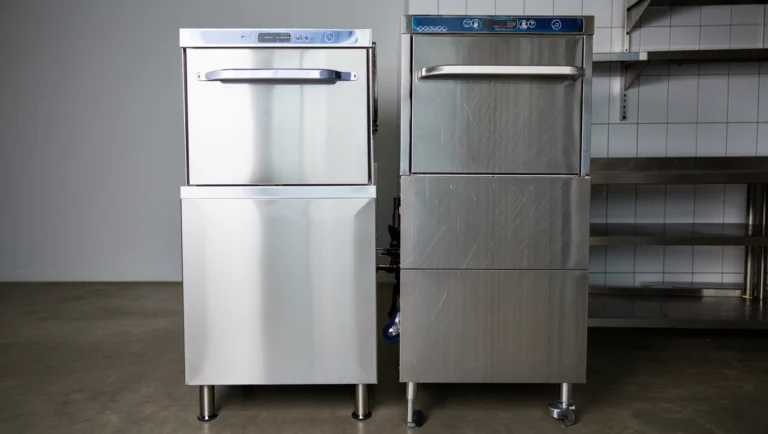
One common concern about used equipment is lifespan. However, professional kitchen equipment is designed for heavy use over many years. High-end brands used in hotels, restaurants, and catering kitchens are built to withstand continuous operation in hot and humid environments like Thailand.
New equipment offers the reassurance of zero prior usage and manufacturer warranties. This can be valuable for complex or high-tech machines such as combi ovens, dishwashers, or automated cooking systems.
That said, second-hand equipment that has been properly maintained often has many years of reliable service remaining. In practice, a well-maintained used refrigerator or fryer can perform just as efficiently as a new one, especially when sourced from a trusted supplier that conducts technical inspections.
Local insight: humidity and maintenance matter more than age
In Thailand, environmental factors such as humidity, heat, and ventilation often affect equipment longevity more than whether it is new or used. Regular maintenance, proper installation, and quality spare parts play a larger role in lifespan than the original purchase date.
ROI and Cash Flow: What Makes Business Sense?
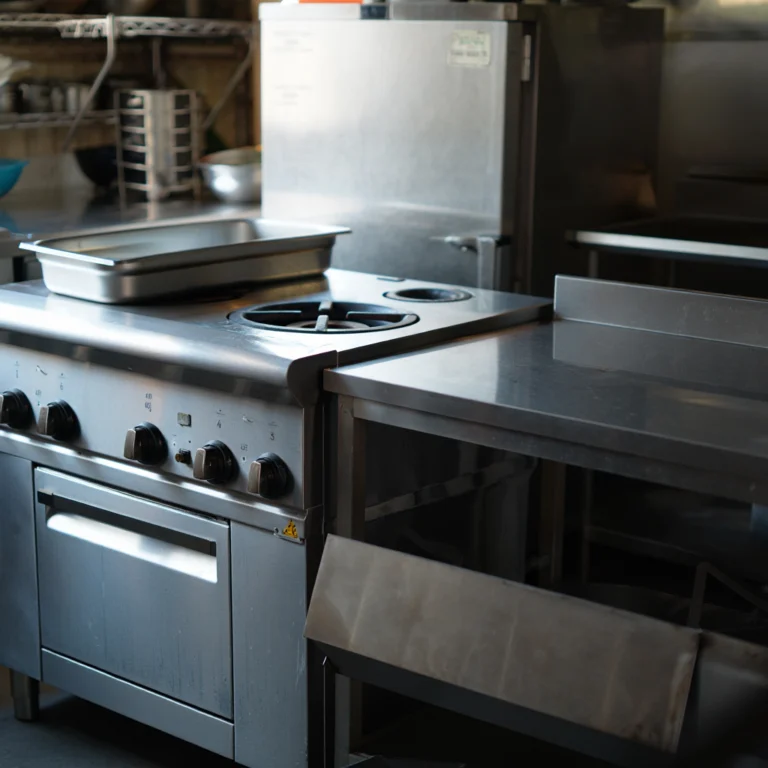
Return on investment is where second-hand equipment often outperforms new purchases. Lower acquisition costs mean faster break-even points and reduced financial risk—an important factor in Thailand’s dynamic restaurant scene.
For new restaurant concepts, pop-ups, seasonal venues, or expansion projects, second-hand equipment allows operators to test ideas without overcommitting capital. If the concept succeeds, equipment can later be upgraded. If it fails, financial losses are minimized.
New equipment may still make sense for long-term flagship restaurants or large-scale operations that rely heavily on energy efficiency, automation, or branding partnerships with major manufacturers.
Business reality: flexibility is key in Thailand
Many restaurant owners in Bangkok adapt their menus, concepts, or service models frequently to keep up with trends. Second-hand equipment supports this flexibility, allowing quicker changes without major sunk costs.
Logistics, Availability, and Speed of Setup
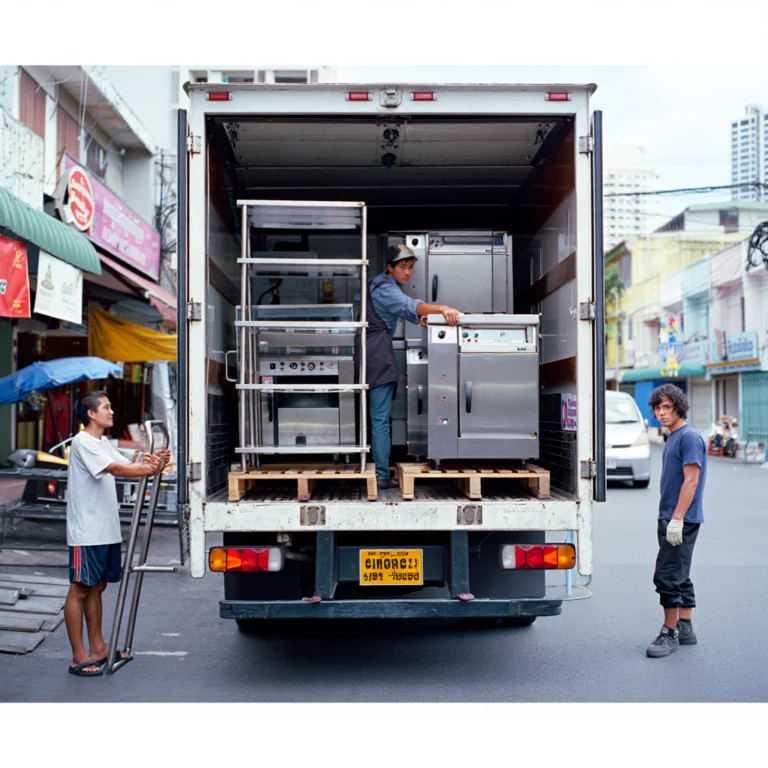
Another practical consideration is availability. New equipment may require weeks or months for delivery, especially if imported. This can delay openings and increase pre-launch costs such as rent and staffing.
Second-hand restaurant equipment is usually available immediately. Local suppliers can arrange fast delivery and installation, helping restaurants open or resume operations quickly. This is especially valuable when taking over an existing location or replacing broken equipment during peak season.
In Thailand, where time-to-market can determine success, speed often matters more than having the latest model.
Bangkok advantage: local stock reduces downtime
Sourcing equipment locally reduces transportation risks and simplifies after-sales support. Working with a Bangkok-based specialist ensures quicker response times and easier logistics compared to overseas suppliers.
Sustainability and Responsible Business Practices
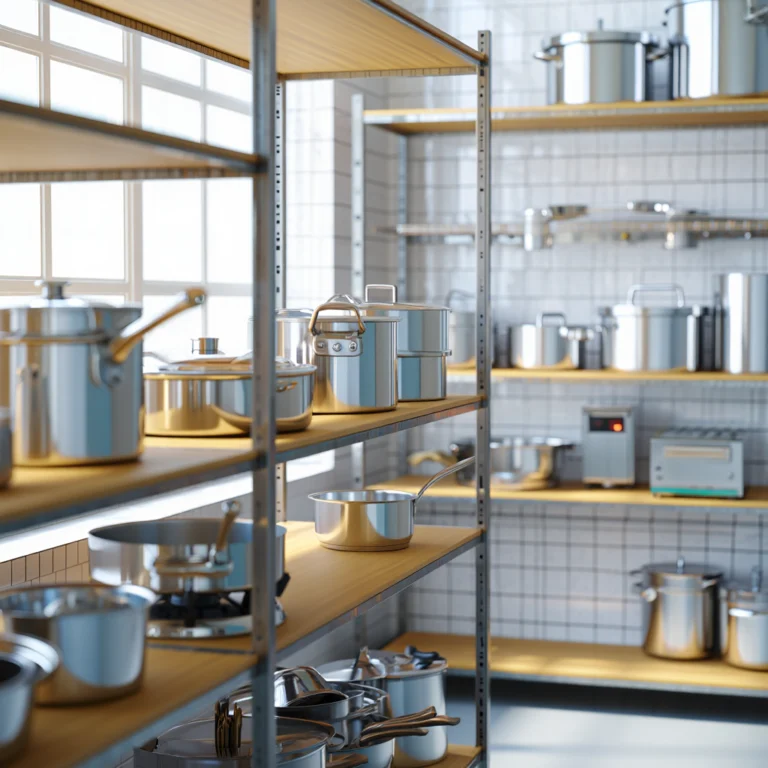
Sustainability is becoming increasingly important in Thailand’s hospitality sector, particularly among international brands, hotels, and eco-conscious consumers. Purchasing second-hand equipment contributes to a circular economy by extending the life of durable goods and reducing industrial waste.
Reusing professional equipment also lowers the environmental impact associated with manufacturing, shipping, and disposal. For restaurant owners looking to align with responsible business practices, this is an added benefit beyond cost savings.
Practical branding benefit
Some restaurants highlight their sustainability choices as part of their brand story. Choosing refurbished equipment can support this narrative without compromising performance or food safety standards.
When New Equipment Still Makes Sense
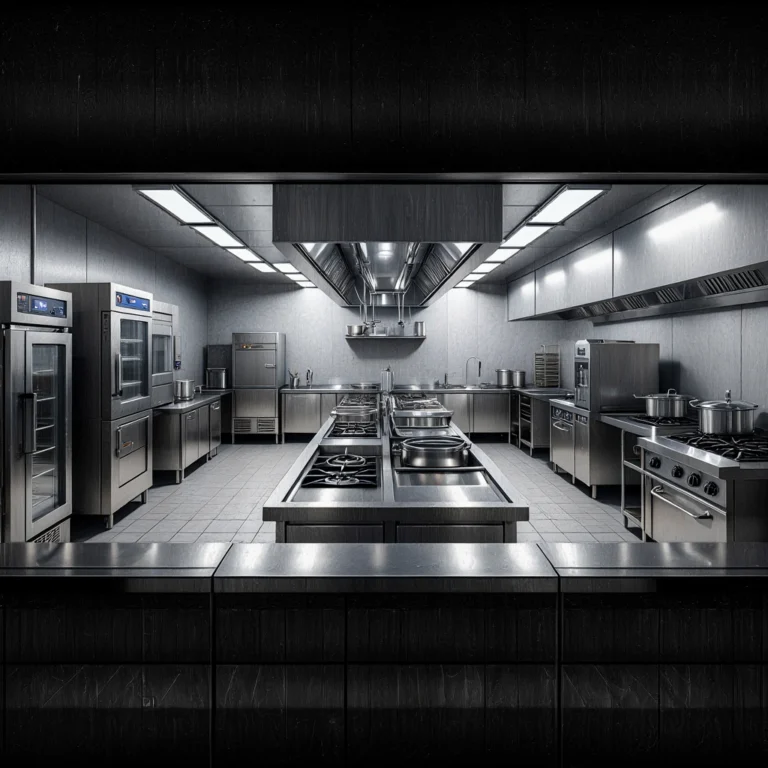
Despite the advantages of second-hand options, new equipment is sometimes the better choice. This is often the case for highly specialized machines, equipment with strict warranty requirements, or kitchens with very specific technical needs.
In these situations, a mixed approach is often ideal: investing in new equipment where necessary, while sourcing reliable second-hand items for standard kitchen components.
Smart strategy: combine new and used
Many successful restaurants in Thailand use a hybrid model, combining new high-tech equipment with second-hand core items to balance performance, cost, and ROI.
There is no one-size-fits-all answer when choosing between new and second-hand restaurant equipment in Thailand. The best decision depends on budget, concept maturity, operational needs, and long-term business goals. For many restaurant owners, second-hand equipment offers faster ROI, greater flexibility, and lower financial risk—especially in Bangkok’s competitive and fast-moving market.
Working with a trusted local specialist like Ax Restaurant Equipment helps ensure that second-hand equipment is properly inspected, fairly priced, and suitable for professional use. Whether you are buying equipment to save money, upgrading an existing kitchen, or selling assets during a closure or transition, expert guidance can make a significant difference.
Restaurant owners and hospitality professionals are encouraged to explore available equipment, request a valuation, or speak with Ax Restaurant Equipment to find practical, cost-effective solutions tailored to the realities of Thailand’s food service industry.

