

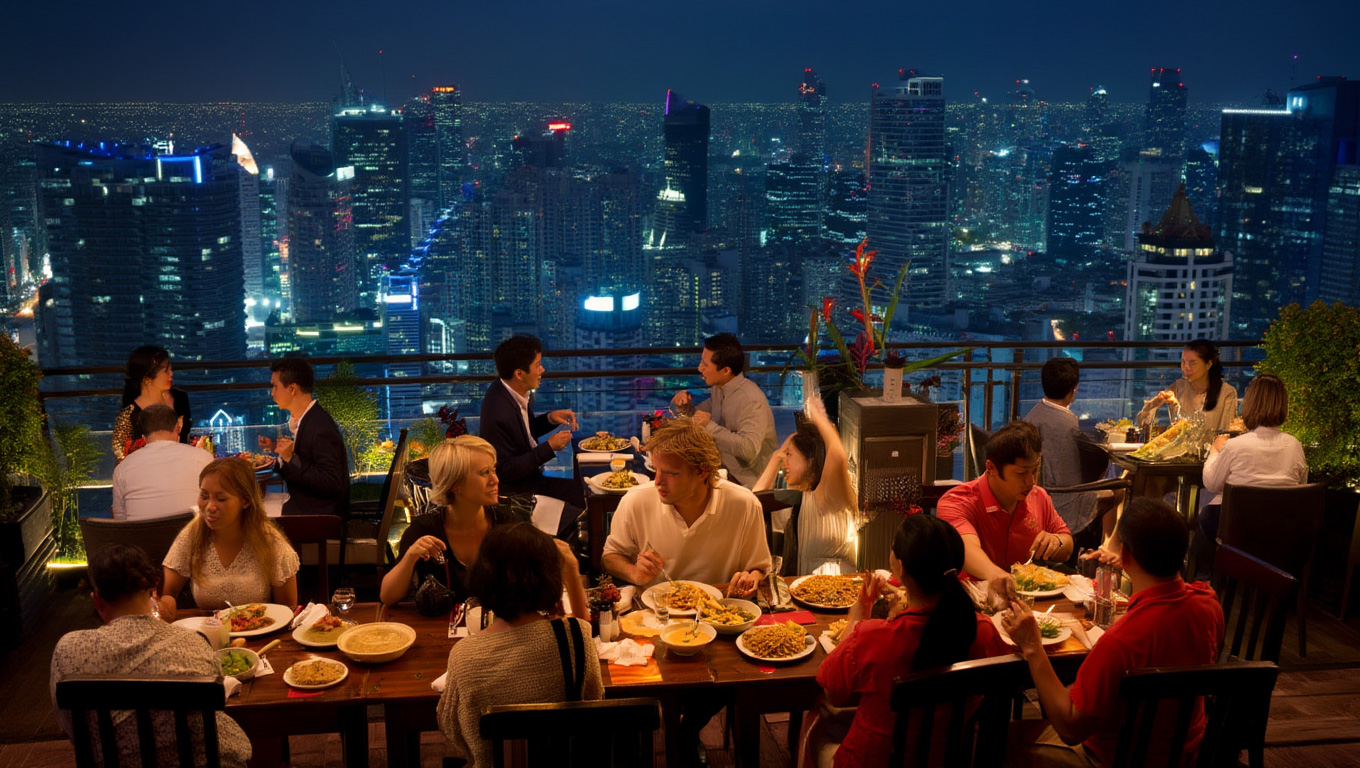
Opening a restaurant in Bangkok is an exciting opportunity—but it can also be a financial challenge. Between rent, licenses, staff, fit-out, and equipment, restaurant startup costs in Thailand can rise quickly, especially for first-time entrepreneurs. The good news is that it is possible to open a restaurant in Bangkok on a budget without compromising quality, food safety, or operational efficiency.
The key lies in smart planning, realistic budgeting, and strategic decisions—particularly when it comes to kitchen equipment, layout, and sourcing. Bangkok’s dynamic food scene, combined with a strong second-hand professional equipment market, offers unique advantages for restaurateurs who know where to look. This article provides step-by-step guidance to help you control costs while building a reliable, professional kitchen designed to last.
Understand Real Restaurant Startup Costs in Bangkok
Before buying anything, you need a clear picture of where your money will go. Many restaurant failures in Thailand happen not because of poor food quality, but because of underestimated startup and operating costs.
Typical restaurant startup costs in Bangkok include:
- Rental deposit and advance rent
- Renovation and kitchen fit-out
- Professional kitchen equipment
- Licenses and permits
- Initial staff hiring and training
- Opening stock and working capital
Kitchen equipment alone can represent 30–40% of your initial investment if purchased new. That is why smart equipment choices are one of the most effective ways to reduce costs.
✅ Practical tip: Separate “essential” from “nice-to-have”
At the beginning, focus only on equipment that is critical for your menu. Decorative elements, advanced automation, or oversized machines can wait until your restaurant generates stable cash flow.
Design a Smart Kitchen Layout Before Buying Equipment
One of the most common mistakes is buying equipment before finalizing the kitchen layout. This often leads to wasted space, unnecessary purchases, and costly modifications.
A well-designed kitchen layout:
- Reduces staff movement and labor costs
- Improves service speed
- Minimizes energy consumption
- Prevents buying redundant equipment
In Bangkok, where many restaurant spaces are compact, efficient layout planning is essential.
✅ Practical tip: Plan workflow, not equipment brands
Start by mapping your food workflow: receiving → storage → prep → cooking → plating → washing. Once the workflow is clear, choose equipment sizes that fit the space—not the other way around.
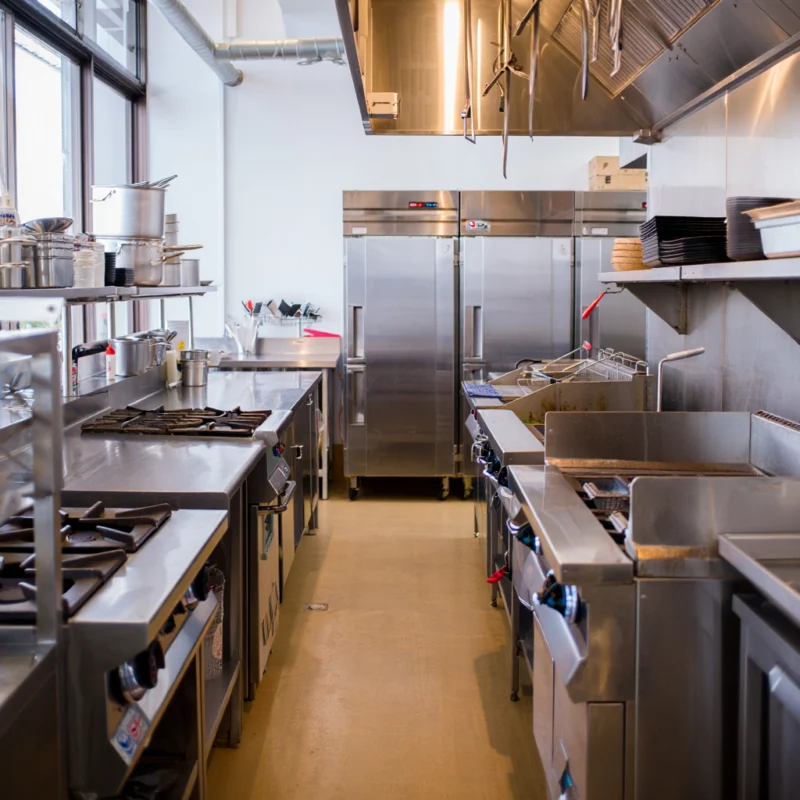
Buy Second-Hand Professional Kitchen Equipment Strategically
Purchasing high-quality second-hand kitchen equipment in Bangkok with a supplier like Ax Restaurant Equipment is one of the smartest ways to open a restaurant in Thailand on a budget. Bangkok has a large turnover of restaurants, hotels, and food businesses, creating a steady supply of professional equipment in excellent condition.
Well-selected second-hand equipment in Bangkok can:
- Cost 30–70% less than new
- Offer the same performance and durability
- Be immediately available (no import delays)
- Reduce depreciation risk if you resell later
Items that are especially suitable for second-hand purchase include:
- Refrigerators and freezers
- Stainless steel tables and sinks
- Ovens, ranges, and fryers
- Shelving and storage units
- Dishwashers
✅ Practical tip: Always prioritize inspection and testing
Never buy used equipment without professional inspection. Electrical safety, gas compatibility, cooling efficiency, and spare part availability are critical in Thailand’s climate and regulatory environment.
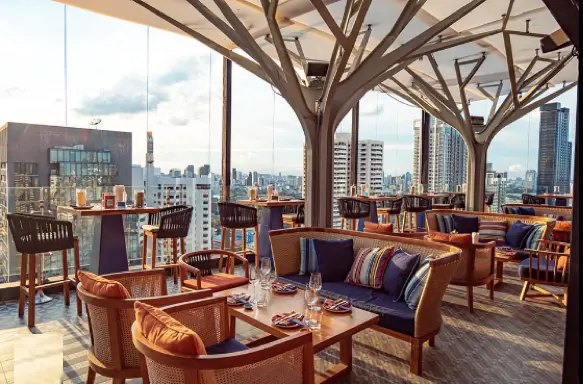
Adapt Equipment Choices to Bangkok’s Climate and Utilities
Bangkok’s heat, humidity, and power conditions directly impact equipment performance and lifespan. Choosing equipment designed—or proven—to operate in tropical conditions helps avoid hidden costs.
Key considerations:
- Strong ventilation and heat-resistant components
- Energy-efficient refrigeration to reduce electricity bills
- Equipment compatible with Thai gas and electrical standards
- Easy access to local maintenance and spare parts
✅ Practical tip: Energy efficiency saves more than you think
Lower electricity consumption has a major impact on monthly operating costs. Efficient second-hand equipment often offers a better return on investment than cheap new models with poor performance.
Control Costs by Scaling Equipment to Your Concept
Your equipment should match your actual production volume, not an idealized future scenario. Over-equipping a restaurant increases capital expenses and maintenance costs without immediate benefit.
Examples:
- A small café does not need a high-capacity combi oven
- A limited menu does not require multiple specialized machines
- Shared equipment can often replace duplicate units
In Bangkok’s competitive restaurant market, flexibility matters. Equipment that can be resold or upgraded later offers financial security.
✅ Practical tip: Think in equipment lifecycle, not purchase price
Choose equipment with good resale value. If your concept evolves or you expand, being able to resell equipment quickly helps recover capital.
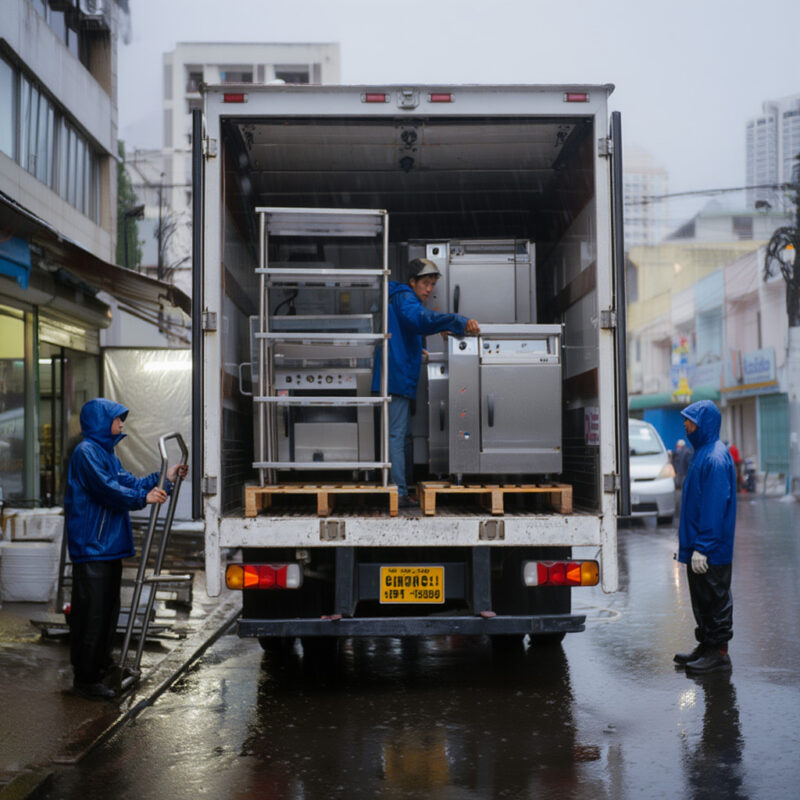
Use Local Logistics and Suppliers to Reduce Hidden Costs
Importing equipment into Thailand often involves customs duties, delays, and unexpected fees. Sourcing locally—especially second-hand—eliminates these risks and accelerates your opening timeline.
Local suppliers also offer:
- Faster delivery within Bangkok
- Easier installation
- Local technical support
- Knowledge of Thai regulations
✅ Practical tip: Speed equals savings
Every extra week before opening costs rent, salaries, and utilities. Ready-to-install equipment helps you open faster and start generating revenue sooner.
Opening a restaurant in Bangkok on a budget is absolutely achievable when you focus on smart planning, efficient layout design, and strategic equipment choices. By prioritizing essentials, adapting to local conditions, and leveraging high-quality second-hand professional kitchen equipment, you can significantly reduce restaurant startup costs in Thailand—without compromising quality or performance.
A practical, business-oriented approach to equipment sourcing also protects your investment over time, giving you flexibility to grow, adapt, or resell as your restaurant evolves. For entrepreneurs, chefs, and investors looking to optimize costs while building a professional kitchen, working with an experienced equipment partner can make a decisive difference.
If you are planning to open, upgrade, or close a restaurant in Bangkok, exploring available equipment or requesting a professional valuation can help you make informed, cost-effective decisions from day one.

