

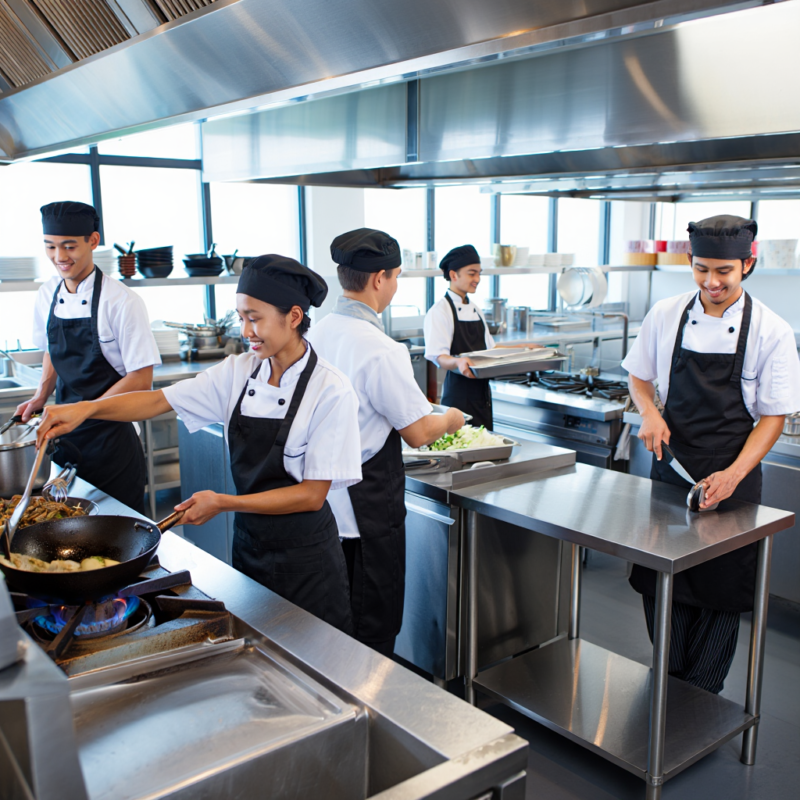
Choosing the right restaurant kitchen equipment is one of the most critical decisions for any food business. Whether you are opening a new restaurant in Bangkok, upgrading an existing kitchen, or taking over a second-hand space, having a clear and complete restaurant kitchen equipment list helps you control costs, ensure compliance, and operate efficiently from day one.
In Thailand’s competitive food service market, margins are often tight, rental costs are high, and kitchens must handle intense daily workloads. A well-equipped professional kitchen is not about buying the most expensive machines, but about selecting reliable, well-adapted commercial kitchen equipment that matches your menu, service volume, and long-term business goals. This practical checklist covers the essential categories every restaurant owner, chef, or investor should consider.
Cooking equipment: the heart of the kitchen
Cooking equipment forms the core of all commercial kitchens. Your selection should always start with your concept: Thai street food, international cuisine, bakery, café, or fine dining will not require the same setup.
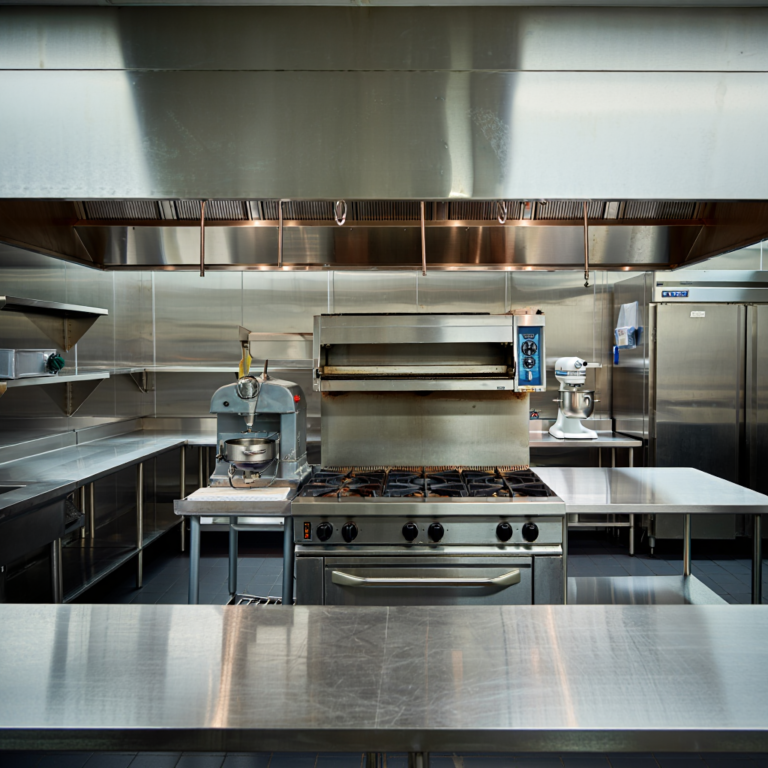
Typical essential cooking equipment includes commercial gas ranges, induction cookers, fryers, griddles, ovens, and charbroilers. In Thailand, gas-powered equipment remains widely used due to energy costs and cooking habits, especially for wok-based menus. However, induction and electric solutions are increasingly popular in malls and buildings with stricter safety regulations.
Practical tip for Bangkok restaurants
Before buying, always check gas compatibility, ventilation requirements, and electrical standards. Many second-hand kitchens in Bangkok already have adapted layouts, making inspected used equipment a cost-effective and fast solution when timelines are tight.
✅ Practical tip: Separate “essential” from “nice-to-have”
At the beginning, focus only on cooking equipment that is strictly necessary for your menu. Decorative elements, advanced automation, or oversized machines can wait until your restaurant generates stable cash flow. In Thailand, many successful restaurants start with a minimal but efficient cooking line and upgrade progressively as demand grows.

Refrigeration and cold storage equipment
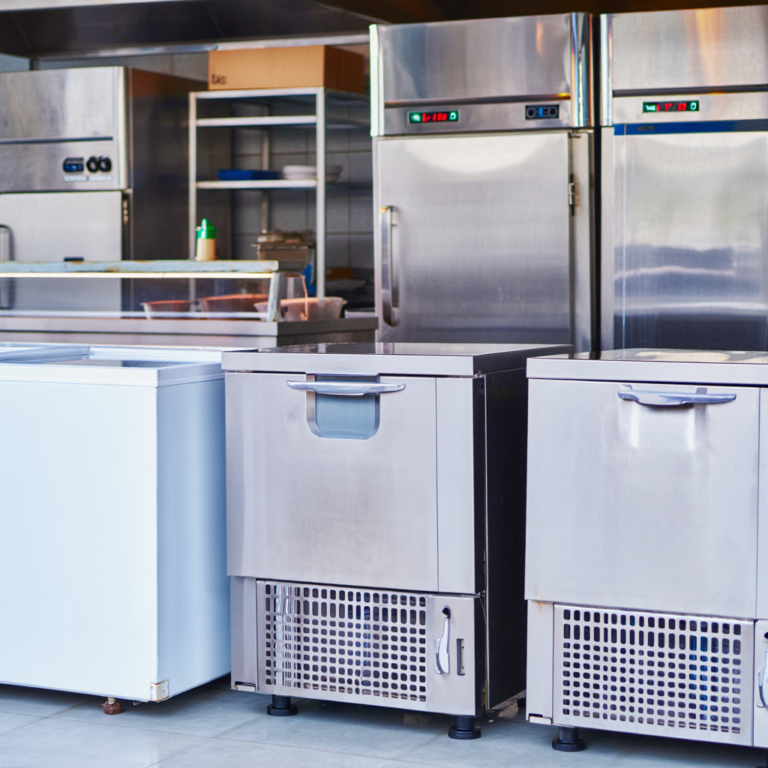
Refrigeration is essential for food safety, inventory control, and regulatory compliance. A reliable cold chain protects ingredients from spoilage and ensures consistency in food quality, especially in Thailand’s hot and humid climate.
A complete commercial kitchen equipment list should include upright refrigerators, freezers, chest freezers, under-counter fridges, and refrigerated prep tables. The choice depends on kitchen size, menu complexity, and daily delivery frequency. For high-volume restaurants, walk-in cold rooms may be necessary.
Energy efficiency is particularly important in Thailand, where electricity costs can significantly impact monthly expenses. Well-maintained second-hand refrigeration units can offer excellent performance at a lower investment, provided they have been properly inspected and serviced.
Local insight
Ensure that refrigeration equipment can handle continuous operation in high temperatures. Poorly adapted units often fail faster in tropical environments, leading to costly breakdowns and product loss.
✅ Practical tip: Prioritize reliability over capacity
Choose refrigeration units that match your real storage needs rather than overestimating volume. Oversized refrigeration increases energy costs and reduces efficiency. In Thailand’s hot climate, investing in fewer but reliable and well-inspected units is safer than operating multiple low-quality fridges prone to breakdowns.
Stainless steel furniture and kitchen infrastructure
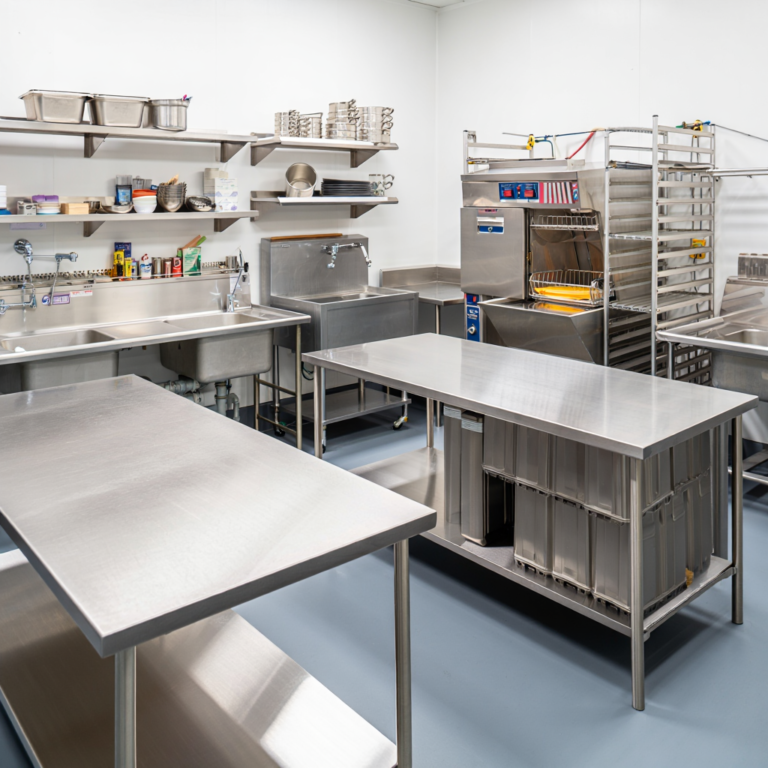
Stainless steel furniture is the backbone of a professional kitchen. It ensures hygiene, durability, and efficient workflow. Essential items include worktables, sinks, shelving, wall-mounted racks, and dishwashing stations.
Thai health and safety regulations strongly emphasize cleanliness and washable surfaces. Stainless steel is therefore the standard material for professional kitchens across Bangkok and major tourist destinations. Modular furniture allows flexibility, especially useful for evolving menus or kitchen reconfigurations.
Used stainless steel equipment is particularly attractive because it retains its quality over time. With proper inspection, second-hand tables, sinks, and shelves can offer near-new performance at a fraction of the cost.
✅ Practical tip: Invest once in durable infrastructure
Stainless steel furniture should be considered long-term infrastructure, not a short-term expense. Worktables, sinks, and shelving are used daily and rarely change with menu evolution. High-quality second-hand stainless steel furniture offers excellent durability and hygiene at a lower cost, making it a smart investment from day one.
Food preparation equipment for productivity
Preparation equipment directly affects speed, consistency, and labor efficiency. Depending on your menu, this category may include food processors, mixers, slicers, blenders, rice cookers, dough sheeters, and vacuum sealers.
In Thailand, where many kitchens operate with limited staff and high service volume, prep equipment plays a crucial role in reducing manual work and minimizing waste. Choosing the right capacity is key: oversized machines waste energy, while undersized ones slow down operations.
Business-oriented advice
When buying prep equipment, think in terms of lifecycle cost, not just purchase price. Well-maintained second-hand machines from reputable suppliers often deliver the best balance between performance, reliability, and budget control.
✅ Practical tip: Match equipment capacity to daily output
Avoid buying prep machines that exceed your real production volume. Oversized mixers or processors increase energy use and take up valuable space. In Bangkok kitchens where space is limited, compact and well-sized preparation equipment improves workflow and reduces unnecessary operating costs.
Small appliances and essential accessories
Small appliances may seem secondary, but they significantly impact daily efficiency. This category includes microwaves, toasters, coffee machines, water boilers, heat lamps, scales, and food warmers.
Accessories such as GN containers, racks, trolleys, knives, and safety equipment should not be overlooked. In busy Bangkok kitchens, having the right tools readily available reduces service delays and staff fatigue.
Choosing standardized, professional-grade accessories ensures compatibility with existing equipment and simplifies replacement or resale in the future.
✅ Practical tip: Standardize before you diversify
Start with standardized, professional-grade small appliances that are easy to replace or resell. Avoid niche or overly specialized models early on. In Thailand’s fast-moving restaurant market, flexibility is key, and standardized equipment simplifies maintenance, staff training, and future upgrades.
Planning, logistics, and sustainability considerations
Beyond the equipment itself, successful kitchens in Thailand carefully plan layout, logistics, and sustainability. Equipment must fit delivery access constraints, especially in dense urban areas of Bangkok. Installation, transport, and dismantling should be factored into the budget.
Sustainability is also gaining importance. Reusing high-quality second-hand commercial kitchen equipment reduces environmental impact while offering immediate financial benefits. For restaurants closing or upgrading, reselling equipment instead of storing or scrapping it helps recover value quickly.
Working with a local expert who understands the Thai market, logistics, and equipment standards can significantly reduce risk and unnecessary costs.
✅ Practical tip: Think resale value from the start
Choose equipment brands and formats that retain value over time. Restaurants in Thailand often evolve quickly, relocate, or change concepts. Equipment that is easy to resell, relocate, or repurpose helps protect your investment and reduces financial loss when upgrading or closing a kitchen.
Building or upgrading a professional kitchen starts with a clear, realistic restaurant kitchen equipment list aligned with your concept, budget, and operational needs. From cooking and refrigeration to stainless steel furniture, prep machines, and small appliances, every decision affects efficiency, safety, and long-term profitability.
In Thailand’s fast-paced food service industry, smart equipment choices often mean combining new and carefully inspected second-hand solutions. Ax Restaurant Equipment supports restaurant owners across Bangkok and beyond by providing reliable commercial kitchen equipment, fair valuations, and efficient logistics. Whether you are equipping a new restaurant, optimizing costs, or selling existing equipment, partnering with a trusted specialist can help you move forward with confidence.

